

What Is Winter Light Therapy—and Why Is Stuyvesant Square the Perfect Place for It?
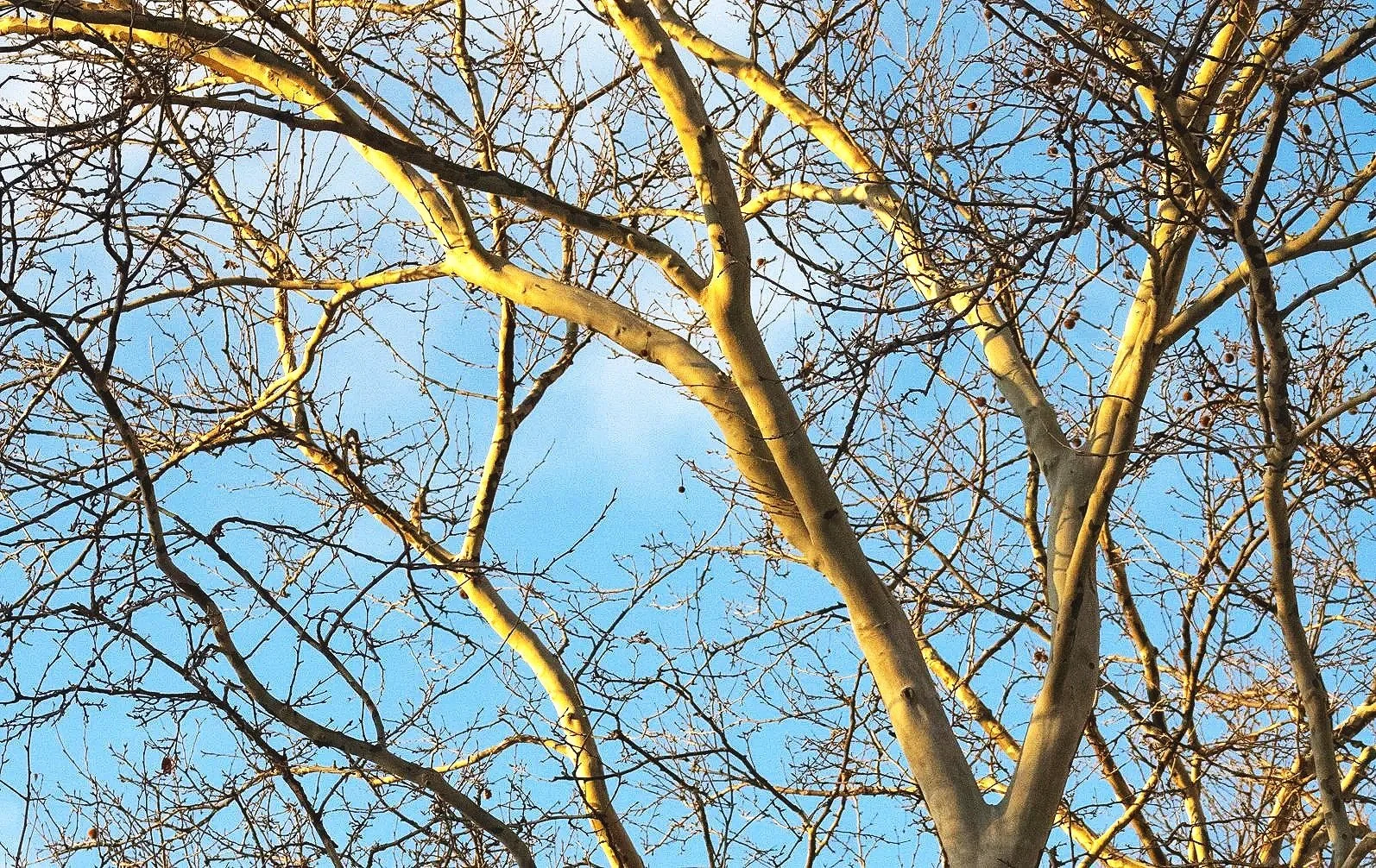
Bare branches stretch across the winter sky, catching the low afternoon sun—nature’s own light therapy at work in Stuyvesant Square Park. (Photo credit: Nafissatou Yattassaye for SPNA)
By Reynard Loki, SPNA
Winter in New York has a reputation problem. It’s cold, gray, and invites us to hibernate indoors. But what if the season’s most underrated mental health tool is hiding in plain sight—right here in Stuyvesant Square Park?
Enter: winter light therapy.
Unlike summer’s overhead glare, winter sunlight arrives at a low angle, casting long shadows and illuminating tree trunks, historic iron fencing, and quiet pathways with golden contrast. This softer, angled light enhances depth perception and texture—giving your brain more visual richness to process. And your brain loves that.
Research shows that natural light exposure helps regulate circadian rhythms and improve alertness, as demonstrated in studies on light's alerting effects. Seasonal variations in sunlight have also been shown to influence serotonin turnover in the brain, which helps explain why winter light can meaningfully affect mood.
Even brief outdoor exposure matters. Researchers have found that brief visits to urban green spaces can significantly lower stress levels—one study showed measurable reductions in cortisol after just 20 minutes outdoors (urban nature experiences reduce stress in daily life).
The magic of low-angle light
In winter, the sun sits lower in the sky throughout the day. That means:
• Warmer tones
• Longer shadows
• Greater contrast
• A softer glow on brick and bark
This combination creates a subtle but powerful sensory reset. The world feels textured again. Edges sharpen. Your mind wakes up.
If you’ve ever paused mid-walk because the park “just looked beautiful” for no obvious reason—that’s the light doing its quiet work.
Spending time in natural environments has also been linked to improved attention and working memory, according to research on the cognitive benefits of interacting with nature (like engaging with Stuyvesant Square Park’s resident squirrel therapists).
And even the branching patterns of bare winter trees may be helping you relax. Scientists studying perceptual and physiological responses to fractal patterns found that viewing natural fractals can reduce physiological stress responses—meaning those intricate silhouettes against the winter sky may be quietly calming your nervous system.
A five-minute golden-hour reset
Try this simple winter light ritual:
Visit the park between 3:30 and 4:45 p.m.
Leave your phone in your pocket.
Face west and notice how the light hits the tree trunks.
Take five slow breaths.
Let your eyes wander—no agenda.
That’s it. No equipment. No subscription. Just photons and perspective.
While clinical light therapy is often used to treat mood disorders (see this meta-analysis on light therapy efficacy), everyday exposure to natural daylight offers a gentle, accessible option available to anyone willing to bundle up and step outside.
Why winter may actually be better than summer
Without dense foliage, more light reaches ground level. The bare branches create intricate shadow patterns. Winter strips the park down to structure and light. And sometimes, structure is exactly what the mind needs.
So before you write off February as something to “get through,” consider this: the season may be offering you one of the most visually and psychologically restorative experiences of the year.
All you have to do is step outside.
Bundle up. The light is waiting. ☀️
